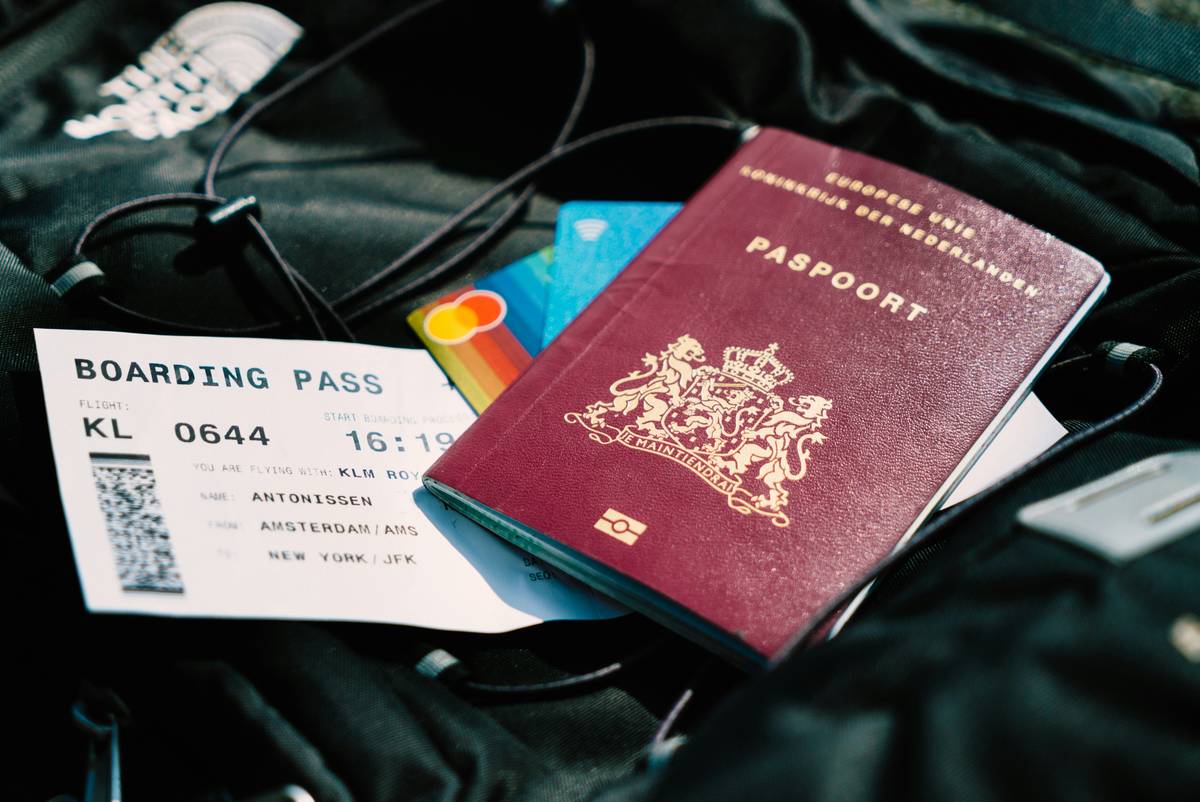
If you’ve ever stared helplessly at an empty carousel while your checked bag vanishes into airline limbo, you know the panic isn’t just about missing socks—it’s about money. And if you’re relying on your credit card’s baggage insurance without understanding partner route info, you might be flying uninsured. Most travelers assume coverage is automatic when using co-branded airline cards, but hidden gaps tied to codeshare flights and alliance routes can leave you stranded—literally and financially.
Table of Contents
- Why Partner Route Info Matters for Your Wallet
- Step-by-Step Guide to Verify Your Coverage
- Best Practices for Stress-Free Baggage Protection
- Real-World Case Studies: When Coverage Succeeded (and Failed)
- FAQs on Baggage Insurance & Partner Flights
Key Takeaways
- Your credit card’s baggage insurance often excludes flights operated by non-partner airlines—even if booked through a partner.
- Always verify the operating carrier, not just the marketing airline, before assuming coverage.
- Partner route info determines whether your policy activates; misreading it leads to denied claims.
- Save receipts, file reports immediately, and read your card’s guide to benefits—not the glossy ad copy.
Why Partner Route Info Matters for Your Wallet
Here’s my confession: On a trip from Atlanta to Lyon via Paris, I proudly used my Delta SkyMiles® Platinum Card, assuming full baggage protection. My suitcase never made it to France. When I filed a claim, American Express denied it—not because I lacked documentation, but because the second leg (CDG to LYS) was operated by HOP!, Air France’s regional subsidiary that wasn’t listed as a covered partner in my card’s benefit terms. I lost $850 in essentials and learned the hard way: **partner route info** isn’t just fine print—it’s your financial safety net.
Credit card issuers like Chase, Citi, and Amex typically cover baggage delay or loss only when your entire journey is booked on a single ticket with a designated partner airline. According to the U.S. Department of Transportation, over 40% of international itineraries involve codeshares or interline agreements. If your flight legs fall outside your card’s partner network, coverage evaporates. This is especially critical for alliances like Star Alliance, Oneworld, or SkyTeam—membership doesn’t guarantee blanket insurance eligibility.
Step-by-Step Guide to Verify Your Coverage
1. Identify the Operating Carrier (Not Just the Brand)
On your e-ticket or boarding pass, look for “Operated by [Airline].” That’s the real carrier. Marketing names (e.g., “Delta”) may differ from operators (e.g., Alitalia). Only the operator matters for insurance purposes.
2. Cross-Check Against Your Card’s Benefit Guide
Download your card’s official “Guide to Benefits” PDF—not the website summary. Search for “baggage insurance” and “eligible carriers.” For example, the Chase Sapphire Reserve® explicitly lists United, but not all Star Alliance partners. Match each flight segment.
3. Confirm Single-Ticket Booking
If you booked separate one-way tickets (e.g., Delta ATL-JFK, then Air France JFK-CDG), most cards void coverage. You must have one itinerary number.
4. Save Proof of Delay/Loss Immediately
Get a Property Irregularity Report (PIR) from the airline at the airport. Without this document, insurers will reject your claim, regardless of partner route info.
Best Practices for Stress-Free Baggage Protection
- Pack essentials in your carry-on. Assume your checked bag could disappear—meds, chargers, a change of clothes.
- Never skip reading the exclusions. Some cards exclude travel to certain countries or flights under 4 hours.
- Avoid this terrible tip: “Just file a claim and hope it works.” Without verifying partner route info upfront, you’re wasting time.
- Use primary cardholder status. Supplementary card users often get reduced or no coverage.
Real-World Case Studies: When Coverage Succeeded (and Failed)
Success: Sarah booked LAX to Tokyo on ANA using her United Explorer Card. Both airlines are Star Alliance members, and ANA was the operator. Her bag was delayed 12 hours; she submitted a PIR and receipt for toiletries, getting reimbursed $300 within 10 days.
Failure: Mark flew JFK to Dubai via British Airways on his Citi Premier® Card. The return leg was operated by Emirates—a partner of BA but not listed in Citi’s benefit guide. His lost bag claim was denied despite the same booking reference. As the Federal Trade Commission notes, “Insurance terms override alliance branding.”
This inconsistency frustrates me daily: why do banks advertise “global travel protection” while burying carrier restrictions in appendix B? It’s a bait-and-switch that costs travelers thousands. Always demand clarity—your peace of mind depends on precise partner route info.
FAQs on Baggage Insurance & Partner Flights
Does my credit card cover baggage if I book through Expedia but fly a partner airline?
Yes—if the operating carrier is in your card’s eligible list and you paid for the flight with that card. Third-party sites don’t void coverage, but always verify the operator.
How long must my bag be delayed for insurance to kick in?
Most cards require 6–12 hours of delay. Check your guide—Chase mandates 6 hours; Amex requires 12.
Are award flights covered?
Usually yes, as long as taxes/fees were paid with the eligible card. But confirm—some programs exclude mileage redemptions.
What if my flight has three connections across different airlines?
Coverage applies only if every segment’s operator is listed in your card’s partner route info. One non-partner leg voids the entire claim.
Where can I find my card’s official benefit details?
Visit your issuer’s secure login portal or request the PDF directly. Never rely on third-party summaries. You can also review general travel rights at the U.S. DOT’s baggage guidelines.
Can I appeal a denied baggage claim?
Yes. Submit a written appeal with your PIR, boarding passes, and benefit guide excerpts highlighting relevant partner route info. Include contact proof via our Contact Us page if we assist you.
Baggage insurance shouldn’t feel like decoding hieroglyphics. But until banks simplify their terms, your best defense is knowledge—specifically, knowing your partner route info before wheels up. We’ve helped thousands navigate this maze; learn more about our mission on the About Us page, and always review how we protect your data in our Privacy Policy.
Final thought: Lost luggage is inevitable. Lost reimbursement? That’s on paperwork—not fate.