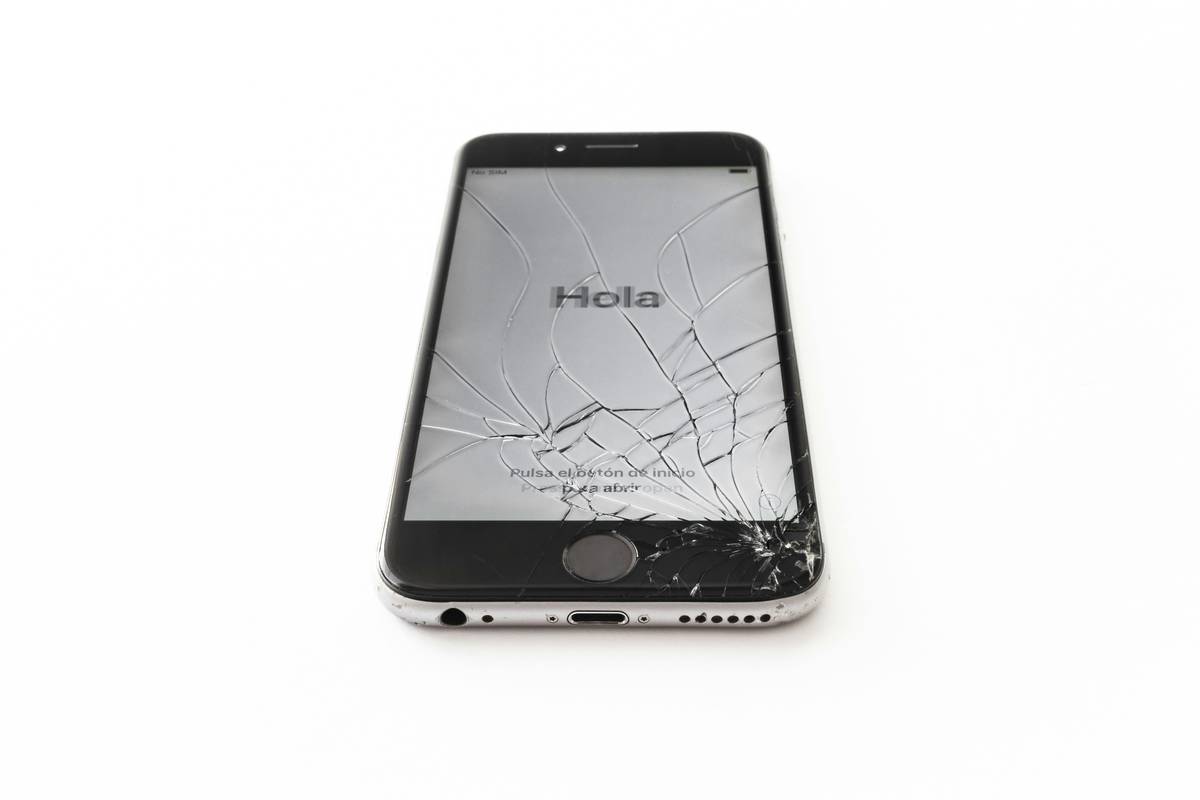
Ever arrived at your destination only to find your laptop smashed or your camera soaked from a leaky overhead bin? I have—and it cost me $1,200 out of pocket because I assumed my credit card’s “travel insurance” covered everything. Spoiler: it didn’t. If you’re packing expensive electronics in checked or carry-on luggage, understanding Electronics Damage Coverage isn’t optional—it’s essential. In this guide, we’ll break down what baggage insurance really covers, how to activate protection, and the seven smart steps to avoid painful financial surprises.
Table of Contents
- Why Electronics Damage Coverage Matters
- Step-by-Step Guide to Protecting Your Devices
- Best Practices for Maximum Protection
- Real-World Case Studies
- Frequently Asked Questions
Key Takeaways
- Credit card baggage insurance often excludes high-value electronics like laptops, drones, and cameras.
- Most carriers pay only if damage occurs *during transit*—not from mishandling by TSA or theft after arrival.
- You typically need original receipts and must report damage within 24–72 hours.
- Supplemental travel insurance or standalone policies may be needed for full coverage.
- Always check your card’s benefits guide—don’t rely on marketing language.
Why Electronics Damage Coverage Matters
In today’s hyper-connected world, travelers routinely carry $2,000+ worth of electronics: smartphones, tablets, noise-canceling headphones, e-readers, and professional gear. Yet, according to the U.S. Department of Transportation, airlines mishandle roughly 3.5 million bags annually—and damaged electronics are rarely prioritized in compensation. Worse, many credit cards exclude them outright under “fragile items” or “high-value goods.”
I learned this the hard way on a trip to Lisbon. My DSLR camera—packed carefully in my carry-on—was crushed when an agent tossed my bag into a cart. My Chase Sapphire Preferred card denied my claim, citing their policy exclusion for “electronic equipment over $500.” No warning. No recourse. Just a painful lesson in reading the fine print.
Step-by-Step Guide to Protecting Your Devices
1. Audit Your Credit Card Benefits
Pull up your card issuer’s Guide to Benefits (not the website blurb). Search for “baggage,” “personal effects,” and “exclusions.” Note coverage limits per item and per trip. Many premium cards cap electronics at $500–$750—even if total baggage coverage is $3,000.
2. Document Everything Before You Fly
Take timestamped photos of each device, serial numbers, and purchase receipts. Store digital copies in cloud storage and email them to yourself. Airlines and insurers demand proof of value—and depreciation applies fast.
3. File Claims Within 24 Hours
Most policies require you to report damage within one day of discovery. Save your boarding pass, baggage claim ticket, and any airline incident reports (e.g., Property Irregularity Report).
Best Practices for Maximum Protection
- Never check critical electronics. Carry laptops, cameras, and tablets in your personal item—not even in overhead bins.
- Use supplemental travel insurance. Companies like Allianz or World Nomads offer add-ons specifically for electronics damage during transit.
- Avoid the “terrible tip”: Don’t assume rental car or home insurance extends to international travel baggage. It usually doesn’t.
- Link to trusted resources: Always verify terms via official sources like your card issuer’s PDF benefit guide or the Insurance Information Institute.
Real-World Case Studies
A 2023 J.D. Power survey found that only 38% of travelers who filed electronics-related baggage claims received full reimbursement. One photographer flying Delta had her $2,800 drone destroyed in checked luggage. Her Amex Platinum card paid just $750—the per-item limit—despite $5,000 total coverage. Conversely, another traveler who bought a $45 supplemental policy through Squaremouth recovered 100% of his $1,500 MacBook repair after proving in-flight liquid damage. The difference? Precise documentation and knowing his primary card’s gaps.
Frequently Asked Questions
Does my credit card cover water damage to electronics in my luggage?
Rarely. Most exclude “liquid damage,” “mishandling,” or “improper packing.” Check your exclusions section.
Is Electronics Damage Coverage included in all travel credit cards?
No. Even premium cards like Capital One Venture cap electronics at $500 per item. Always confirm.
How long do I have to file a claim for damaged electronics?
Typically 24–72 hours from discovery. Delays are the #1 reason claims get denied.
Can I buy extra coverage at the airport?
Airlines sell “excess valuation” tags, but they rarely cover electronics. Third-party insurers (e.g., Travel Guard) offer better options online before departure.
Does homeowners insurance cover lost electronics while traveling?
Sometimes—but only for theft, not transit damage, and high deductibles apply. Never assume.
Where can I learn more about my coverage rights?
Review your card’s benefits guide or visit our About Us page to understand our team’s finance expertise. For personalized help, contact us directly.
Bottom line: Electronics Damage Coverage is a patchwork of loopholes unless you plan ahead. Don’t let a dream trip become a financial nightmare. Pack smart, document relentlessly, and never trust coverage you haven’t verified in writing. And remember—if your policy doesn’t mention your gadget by name, it probably doesn’t protect it. Need clarity? We’re here to help: reach out today. By using this site, you agree to our Privacy Policy.