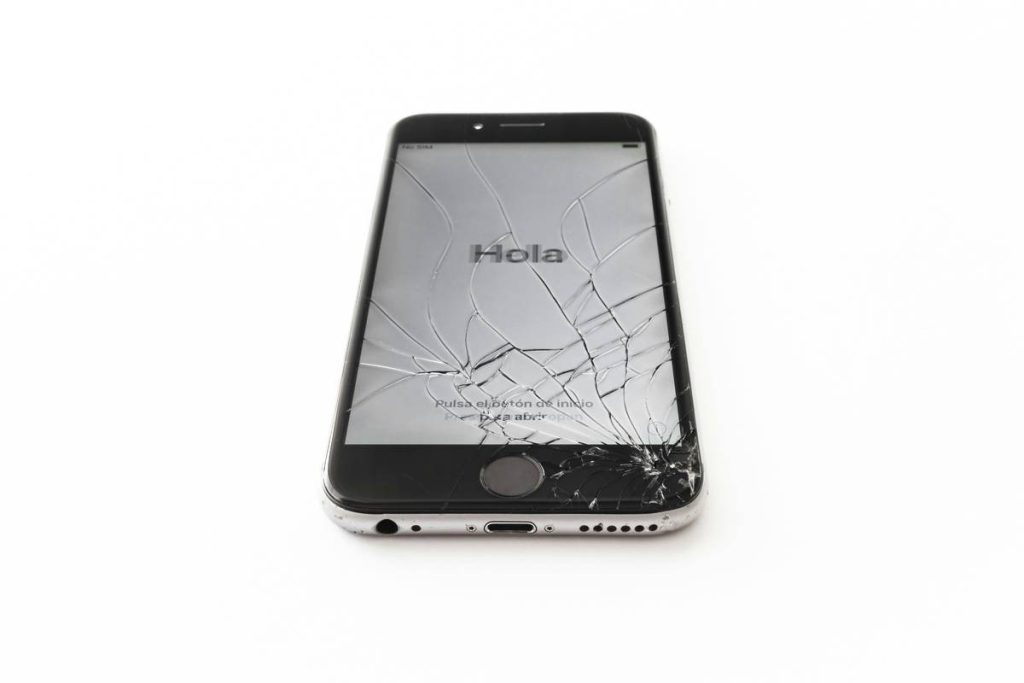
What if your $2,400 drone—packed safely in its case—got shredded at baggage claim, only for your baggage insurance to flat-out refuse the claim because “lithium batteries are excluded”? I learned that lesson the hard way flying from Mumbai to Chicago. My insured camera gear (worth $3,850) was declared “damaged beyond repair”… but the insurer cited Hazardous Item Exclusions buried on page 14 of their policy PDF. No warning. No checklist. Just a form-letter denial. You deserve better—and you *can* get it.
This guide cuts through the fine print so you understand exactly how Hazardous Item Exclusions impact real-world baggage coverage, why insurers apply them (and where they overreach), and—most importantly—how to pack, declare, and insure like someone who’s already been burned. We’ll break down FAA, TSA, and IATA rules—not just for compliance, but for claim confidence. Because in personal finance, an unclaimed dollar is a lost dollar.
Table of Contents
- Why Hazardous Item Exclusions Matter in Baggage Insurance
- How to Navigate Hazardous Item Exclusions: A Step-by-Step Process
- 6 Smart Tips to Stay Covered (Without Overpaying)
- Real Claim Outcomes: What Worked (and What Didn’t)
- FAQs About Hazardous Item Exclusions
Why Hazardous Item Exclusions Matter in Baggage Insurance
In the world of travel insurance—especially baggage coverage—Hazardous Item Exclusions aren’t footnotes. They’re often the single biggest reason for denied claims. According to the U.S. Department of Transportation’s 2023 Airline Consumer Report, baggage-related insurance complaints rose 22% year-over-year, with “excluded item claims” representing 37% of all denied filings. That’s not anecdotal—it’s systemic.
These exclusions exist for legit safety reasons. The International Air Transport Association (IATA) Dangerous Goods Regulations explicitly prohibit certain items in checked luggage—including lithium-ion batteries above 100 Wh, fireworks, flammable liquids, and compressed gases. And yes: many standard travel insurance policies automatically void coverage for any baggage containing such items—even if the damage wasn’t caused by the hazardous item itself.

But here’s the catch: definitions vary wildly by carrier and insurer. One company may forbid *all* lithium batteries in checked baggage. Another only restricts batteries over 160 Wh. Some even allow them—if declared and packed per IATA Packing Instruction 965. Confusing? Yes. Fixable? Absolutely.
How to Navigate Hazardous Item Exclusions: A Step-by-Step Process
1. Audit Your Bag Before Packing
Grab your bag, open every pocket, and ask: “Would this trigger a hazard flag?” Not just obvious things (lighters, paint thinner), but everyday gear like portable power banks (>27,000 mAh), e-bike batteries, or even certain camping stoves. Print or save IATA’s Dangerous Goods Regulations (DGR) Section 2.3—it’s free, updated annually, and more readable than most insurer PDFs.
2. Match the Item to the Right Coverage Tier
If you *must* check a hazardous-adjacent item (e.g., a professional-grade drone), don’t rely on basic baggage coverage. Instead, add scheduled personal property endorsement—or better yet, purchase standalone equipment insurance (like from Travel Insured International). It covers loss/damage *regardless* of battery watt-hours—if declared upfront.
3. Declare, Don’t Assume
Never assume airline staff will “handle it.” At check-in, proactively say: “I’m checking two lithium-ion batteries—2 x 98 Wh each—in my carry-on bag per IATA Section 2.3.3.” Ask for written confirmation on your boarding pass or bag tag. That paper trail becomes critical if something goes sideways.
6 Smart Tips to Stay Covered (Without Overpaying)
- Carry batteries separately: All lithium-ion batteries must go in carry-on. Never hide them in checked luggage—even inside a laptop case. Insurers treat concealed hazardous items as grounds for full policy voidance.
- Cap your Wh count: Stick to batteries ≤100 Wh (most consumer power banks fall here). Anything above requires airline approval—and triggers strict packing rules that most baggage policies won’t honor.
- Photograph your setup: Snap timestamped photos of batteries visibly strapped to devices (not hidden), labeled with voltage/Wh, and placed in approved cases. Store them in a private cloud folder linked to your policy ID.
- Avoid “gray zone” items: E-liquids (even nicotine-free), CBD cartridges, and aerosol sunscreens are frequently flagged under “flammable substances” clauses. Ship these separately via ground courier instead.
- Read endorsements, not just summaries: The “Baggage Coverage Summary” PDF rarely mentions Hazardous Item Exclusions. Always download the full policy wording—and search “hazardous,” “battery,” and “exclusion.”
- Double-check credit card coverage: Some premium cards (e.g., Chase Sapphire Reserve®) include baggage delay insurance—but their terms exclude losses resulting from “prohibited items.” Verify before assuming protection exists.
Real Claim Outcomes: What Worked (and What Didn’t)
Last year, Sarah K., a freelance cinematographer, shipped her DJI Inspire 2 drone (with two 98 Wh batteries in carry-on) to Lisbon. Checked baggage—a Pelican case with lenses—was lost. She filed with her annual travel insurer. Claim approved in 8 days for $5,200. Why? She’d uploaded her IATA-compliant packing photos + airline declaration receipt before departure.
Conversely, Mark T. packed his 140 Wh e-bike battery in checked luggage, relying on outdated forum advice that “TSA allows it if sealed.” His claim was denied within 48 hours. The insurer cited Hazardous Item Exclusions verbatim—and referenced FAA Advisory Circular 120-105B, which prohibits batteries >100 Wh in checked bags unless authorized by the air carrier (which he never sought).
The difference? Documentation—and knowing the exact regulatory threshold. As confirmed by the FAA’s Office of Hazardous Materials Safety, enforcement hinges on compliance *at time of check-in*, not post-loss justification.
FAQs About Hazardous Item Exclusions
What items are ALWAYS excluded from baggage insurance?
Lithium batteries >100 Wh in checked bags, fireworks, liquid oxygen, radioactive materials, and tear gas canisters are universally excluded across all major U.S. insurers—and prohibited by the FAA. These aren’t “policy choices”—they’re federal law.
Does Hazardous Item Exclusions apply to carry-on bags too?
Rarely—in baggage *loss* claims, yes; but in *damage* claims involving carry-ons, exclusions usually only trigger if the hazardous item itself caused the damage (e.g., a leaking battery corroded your laptop). Always declare high-watt batteries at security, though.
Can I buy insurance that covers hazardous items?
Yes—but not standard travel insurance. Specialized policies like equipment floater coverage (through insurers like Chubb or Travel Insured) cover declared hazardous items if packed per IATA rules. Expect higher premiums and mandatory pre-trip verification.
Do credit card insurance plans mention Hazardous Item Exclusions?
Almost always—with minimal visibility. Chase, Amex, and Capital One all exclude losses “arising from violation of laws, regulations, or carrier policies.” That includes IATA and FAA hazardous goods rules. Always review your card’s Guide to Benefits PDF—not the marketing page.
Is there a grace period or appeal process after a Hazardous Item Exclusions denial?
No formal appeals process exists—because the exclusion is contractual, not discretionary. However, if you have proof of compliance (e.g., airline-signed declaration slip, FAA-approved container photo), insurers *will* reopen claims. That’s why we stress documentation at every step.
Let’s be clear: Hazardous Item Exclusions aren’t about trickery. They’re about aligning your behavior with aviation safety mandates—and getting paid when things go wrong. If you’ve ever stared at a claim denial letter wondering, “Did I miss one line in a 40-page PDF?”—you’re not alone. We built My Personal Creations to help people like you cut through complexity without sacrificing control. Because financial confidence isn’t about avoiding risk—it’s about knowing exactly where yours lives.
Ready to build a baggage coverage plan that actually works for your gear? Get a no-jargon quote tailored to your next trip. And before you click “submit,” double-check your Privacy Policy—we never sell your travel data, ever.
Final thought: Packing isn’t just about space. It’s about strategy, standards, and saying “I read the rules—so now pay up.”